
Today's AI trends
Plans now need their own freshness check. The PlanFence paper describes stale-plan execution: an agent can read fresh shared state yet act on assumptions that changed after planning. It records action-relevant dependencies and validates them before the side effect, replanning or blocking when validation is incomplete. In 30 controlled revised workflows, the paper reports no invalid action with PlanFence, versus an obsolete action in every freshness-only task. Practical implication: add dependency manifests and executor-side validation to high-risk agent workflows rather than relying on recent reads.
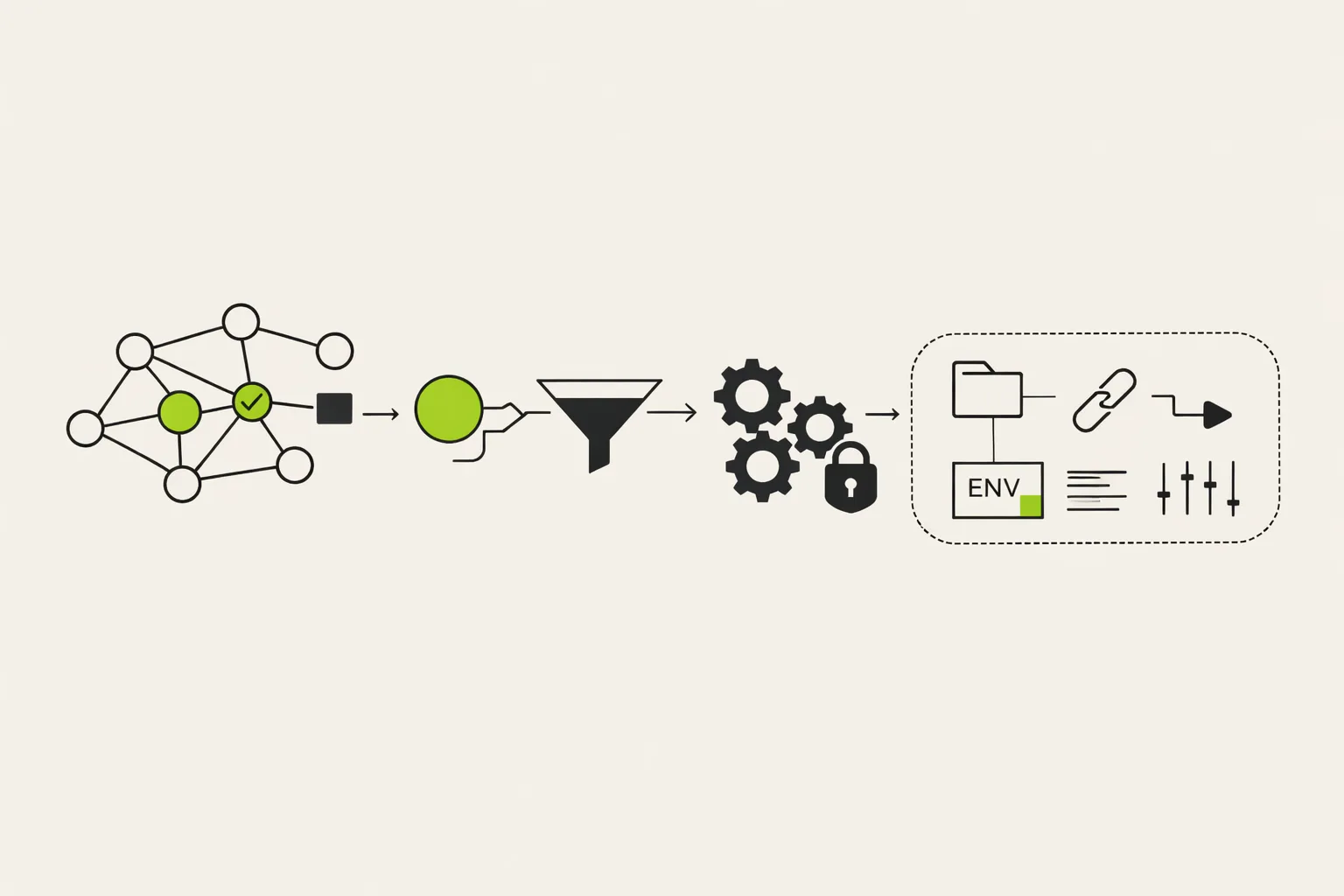
Disaster-recovery agents are separating reasoning from execution. Intuit's published EWOK architecture lets a model interpret a failover request and choose typed, versioned Skills, while conventional code performs asset resolution, policy checks, change records, and failover workflows. The design includes bounded loops, audit trails, least-privilege credentials, circuit breakers, and human approval for critical actions. Practical implication: make the model's output a proposal for a deterministic executor, especially when an operation is hard to reverse.
Agent CLIs are hardening the shell boundary. The September 5 Gemini CLI nightly added consent prompts for environment changes, sanitization of runtime-altering environment variables, stronger workspace path-boundary and symlink handling, plus stricter permission and ownership checks for system-wide configuration paths. These are nightly-release changes, and Gemini CLI maintains separate nightly, preview, and stable channels. Release-channel details are documented here. Practical implication: treat paths, symlinks, environment mutation, and config ownership as enforceable runtime policy, not Prompt instructions.